Born and raised in Turkey, Ayşe Demir is a San Francisco–based data scientist, computational artist, and yoga teacher.

For nine years, she led large-scale causal inference, applied machine learning, data visualization, and AI explainability projects at Amazon Web Services and Gap. She has also taught data visualization and creative coding at organizations including Gray Area Foundation for the Arts, Salesforce/Dreamforce, and Navajo Technical University’s Risk & Resilience Lab.

Across research, teaching, and art practice, she examines how complex systems become perceptible. Her current interests include temporality,enactive cognition and AI interpretability.

CV
Publications & Essays
Teaching

Selected works from teaching and speaking.

Course & Workshop Designs
Artificial Intelligence & Creativity, (DDI Akademi, March 2024)

Inspired by Jessica Riskin's The Restless Clock, this program explored what it means to co-create with machines that learn versus those that are rule-based. Through case studies from automata to generative AI, giving students a historical and practical grounding in algorithmic creation.

  1. Week 1: History of Machine Agency

    Examining automata, cybernetics, and early AI, this week explored the cultural narratives that have shaped our perception of “machine life” and the creator’s role.

  2. Week 2: The Evolution of Digital Culture

    Tracing the past fifty years of computing and internet history, algorithms and machine learning to understand how we arrived at our current digital landscape.

  3. Week 3: Creating with Algorithms

    Exploring what it means to create with algorithms; algorithmic aesthetics, the aesthetics of indeterminacy, outliers, and noise; and how these artistic practices bring up notions of free will.

  4. Week 4: Creating with Agents

    Exploring what it meant to co-create with supervised and unsupervised learning models. Practicing prompting as a form of curation and expression, and concluding with a final discussion on creative control and agency.


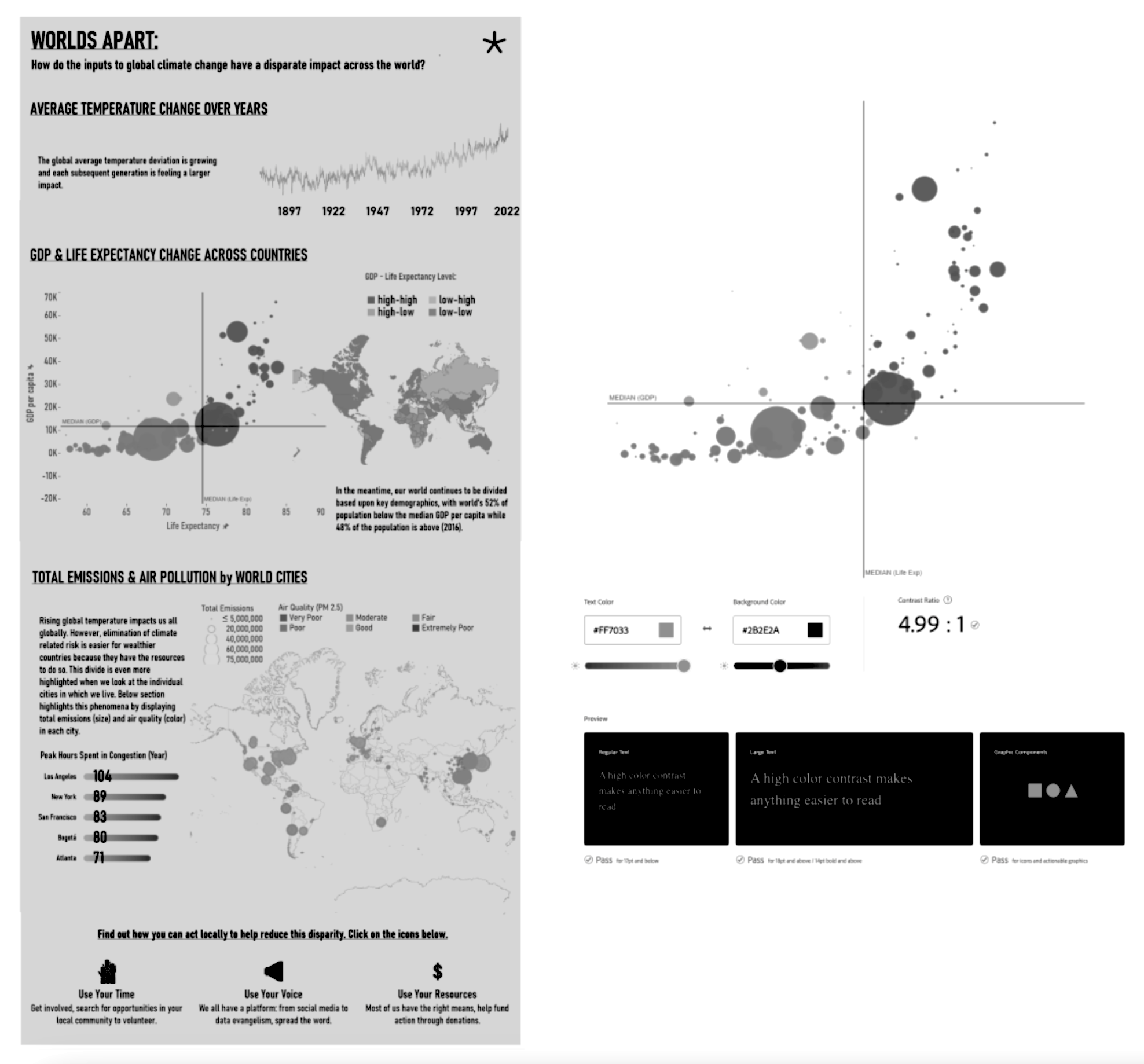
Dreamforce Speaker, Visualizing Climate Data (Salesforce, September 2022)

  • Featured speaker at Salesforce Dreamforce 2022. Presented advanced data-storytelling techniques in Tableau, transforming complex climate data into clear, actionable narratives.
  • Demonstrated rapid prototyping to extract multiple concise insights from a single dataset.
  • Showcased how accessible, well-designed visualization can make complex data legible to non-technical audiences.
  • Lecture 2

    Creative Coding Intensive (Gray Area Foundation for the Arts, September 2020 - October 2023)

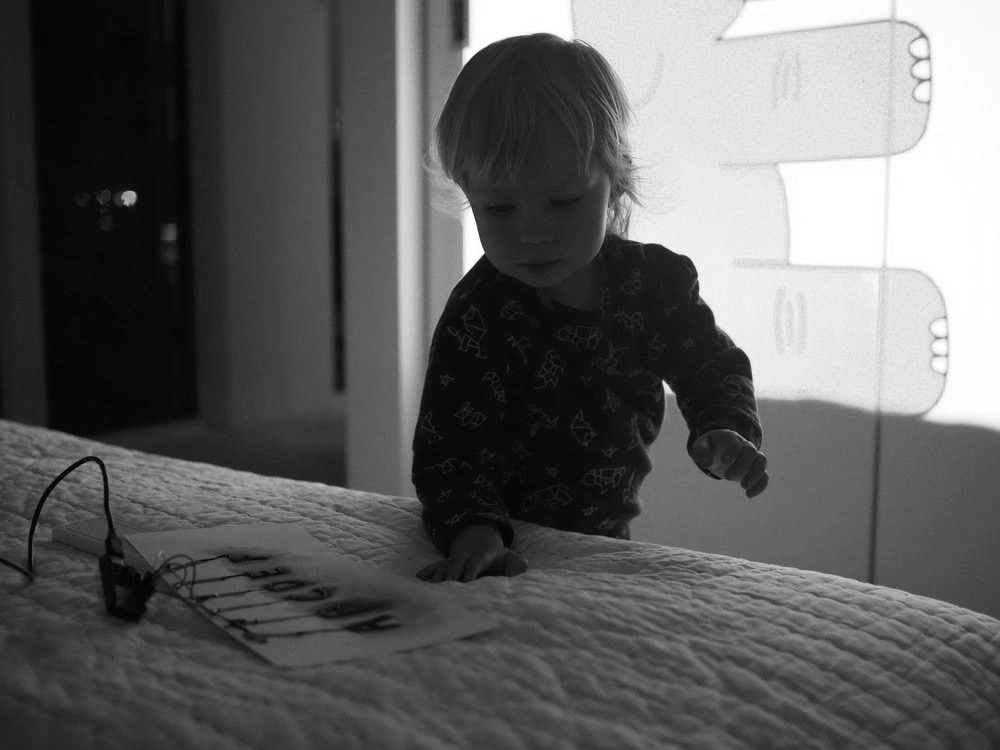
    This intensive course focused on creating interactive environments. Students learned to capture physical data such as motion, touch, pressure, proximity, and audio levels and convert it into interactions and custom visuals. The course provided examples ranging from small-scale prototypes to immersive ones.

    Lecture 3

    Artist Talks (MUTEK, Google Art Week, 2020 - 2021)

    My artist talks over years centered on two key areas:

  • Using software to combine abstract art and data visualization.
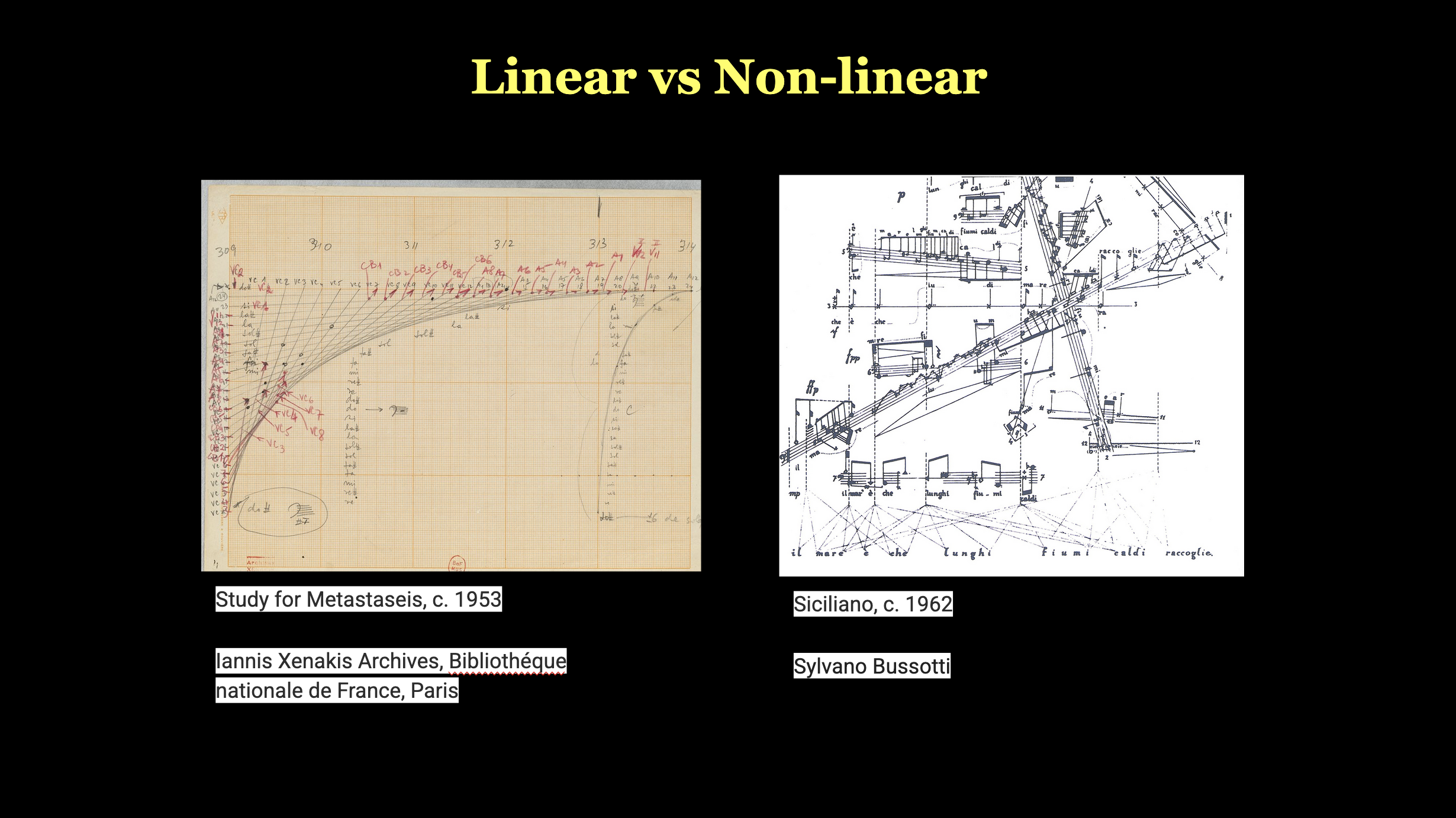
  • Designing narrative systems that balance linear clarity (structured, guided storytelling) with nonlinear exploration (open, multi-path signals across media).

  • These works have been featured at New Art City, MUTEK 2020 and Google Art Week 2021.

    Lecture 5

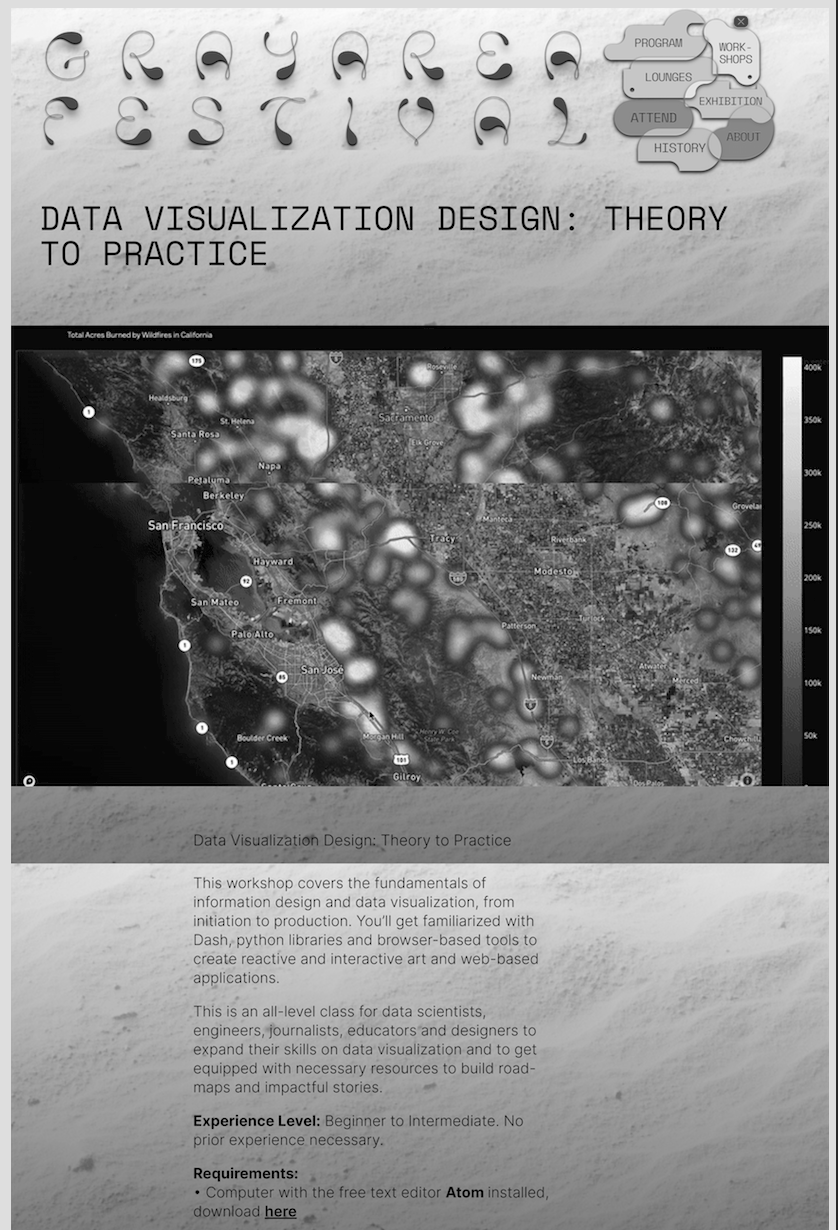
    Data Visualization Design (Gray Area Foundation for the Arts, September 2020)

    This course traced the evolution of data visualization, from early statistical graphics to modern, web-based systems. Interaction was treated as an encoding, where controls, views, and feedback loops became an integral part of how narration is made. The curriculum divided into two parts:

  • Part I (Theory): history, ethics, information architecture, narrative structure, data types, and visual encodings.
  • Part II (Practice): encoding of data into running systems with Python, Plotly, and Dash.
  • Lecture 2
    Visualization Library

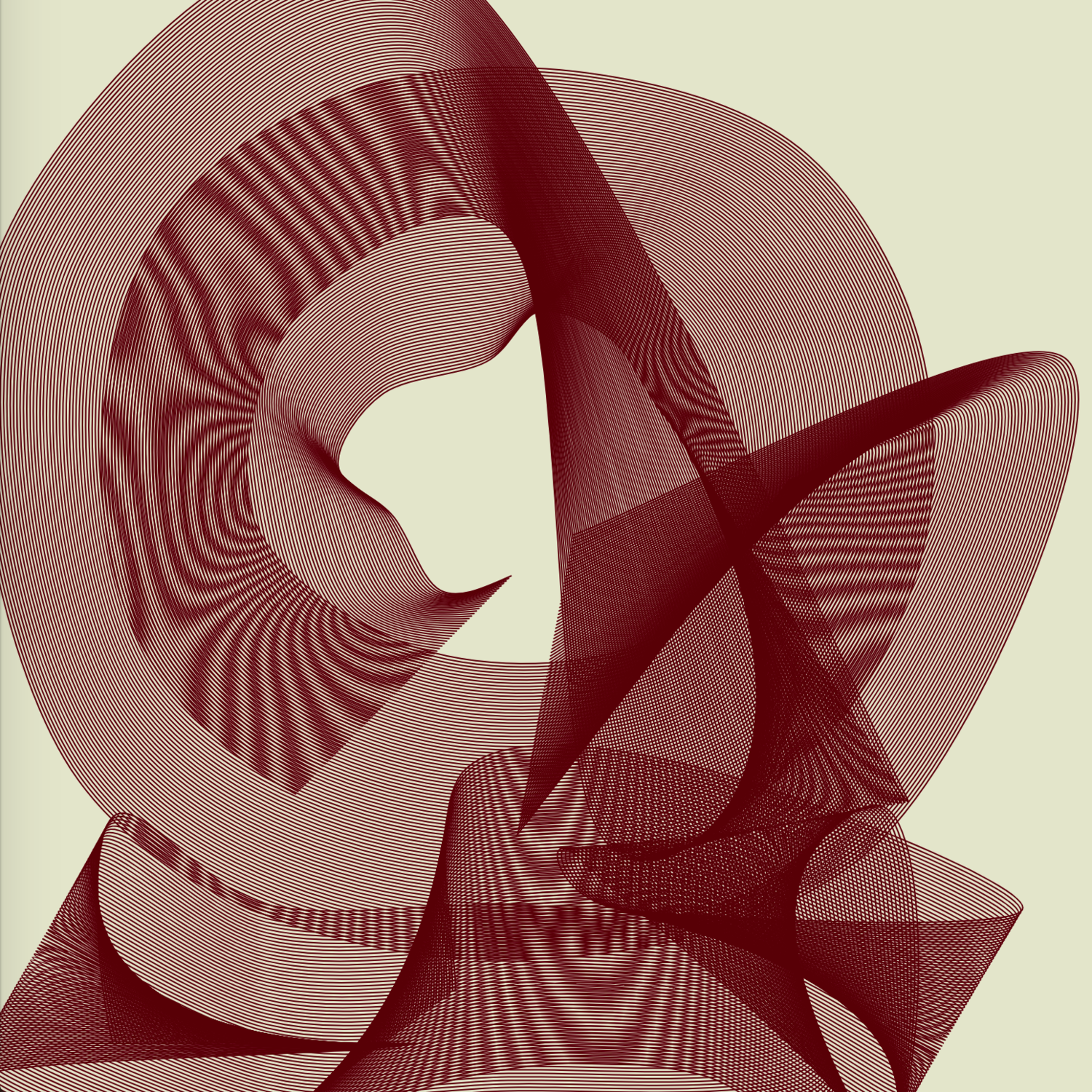
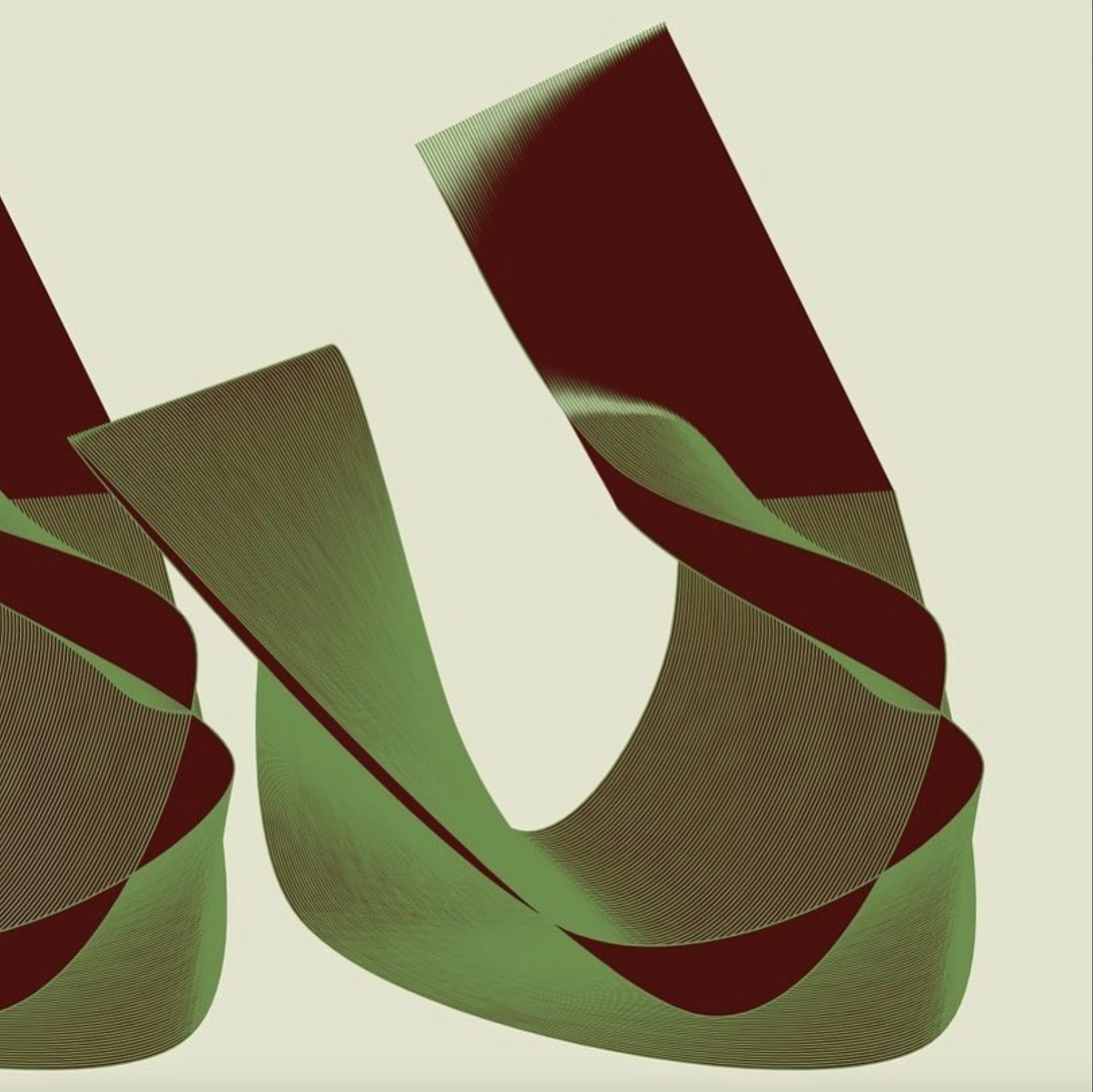
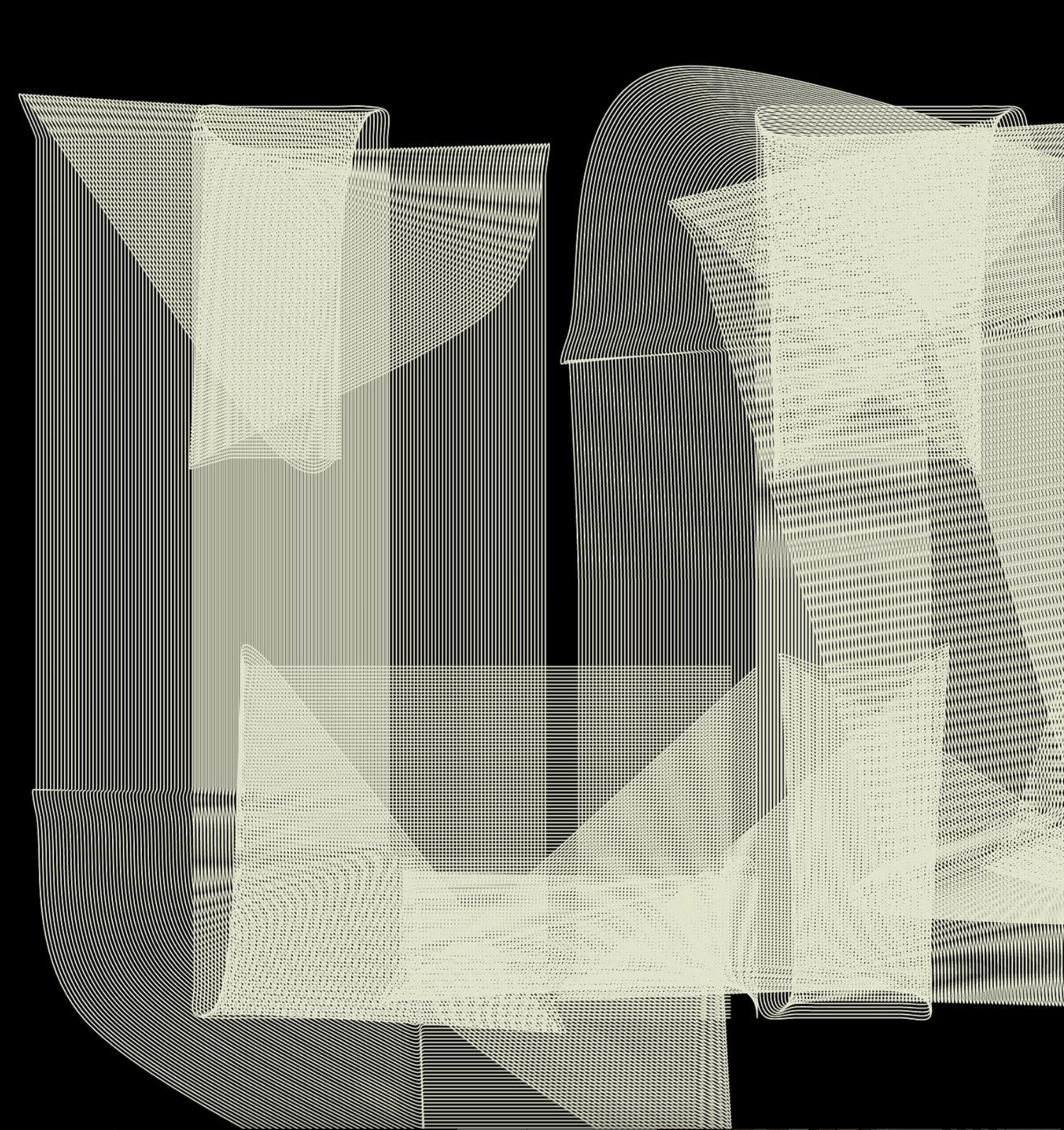
    Selected visual experiments that explore abstraction, creative constraints, and form through computation.

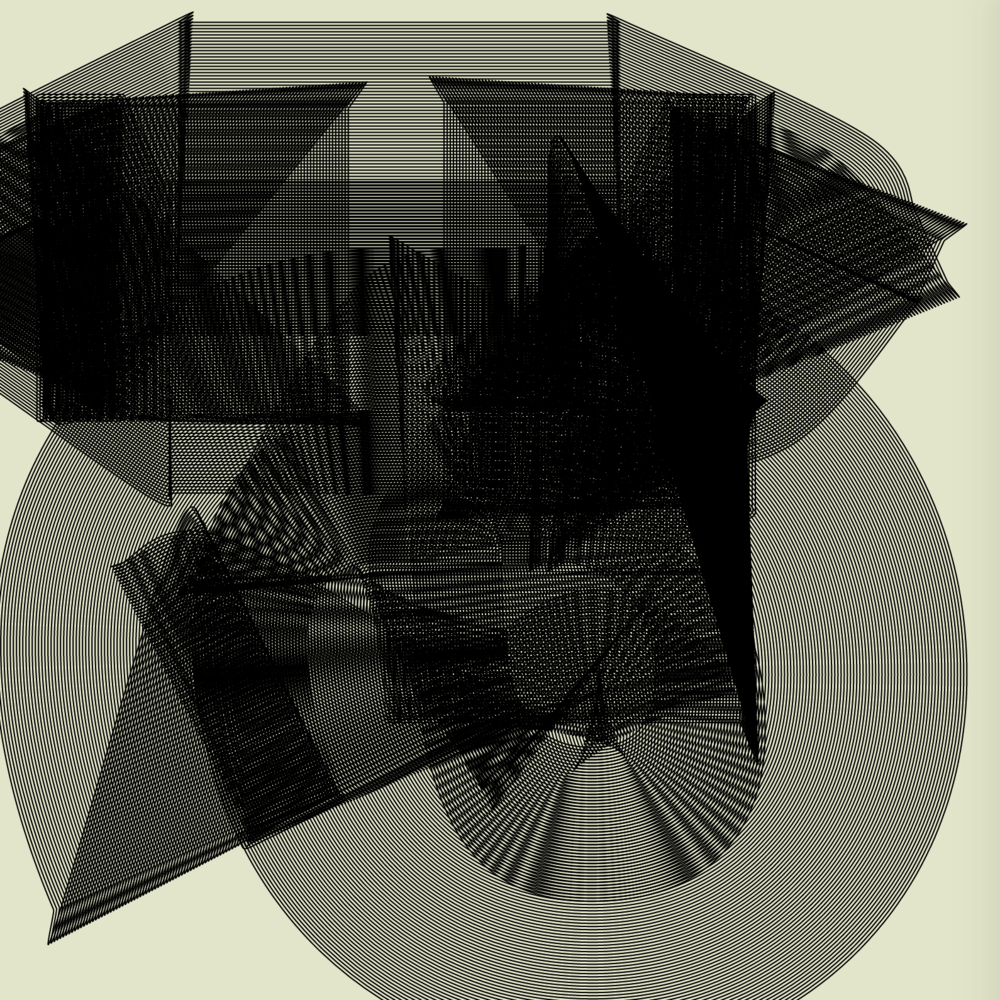
    Traditional software often produces abstract patterns detached from physicality. My explorations ask the reverse: can computation embody softness, intuition, or ambiguity? I work across p5.js, TouchDesigner and prompting to test when algorithmic output crosses from pattern into presence. My goal is to move beyond cold abstraction toward experiences that feel spatially grounded. Because each tool has its own aesthetic character, the final form is always a negotiation between my intention and the tool's inherent nature. Engaging with algorithms this way sharpens my intuition on the boundary between what a tool generates and who it interacts with.

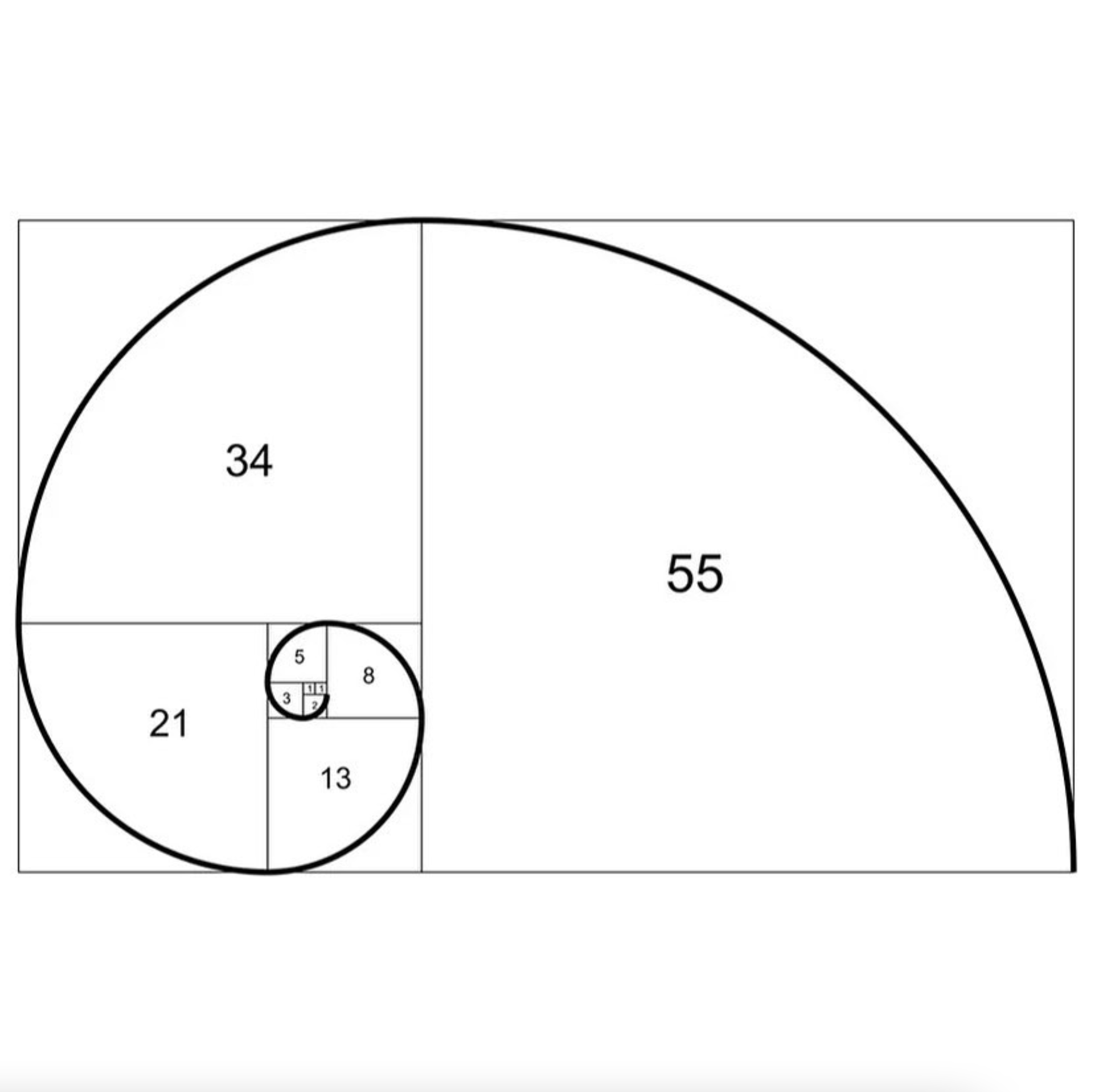
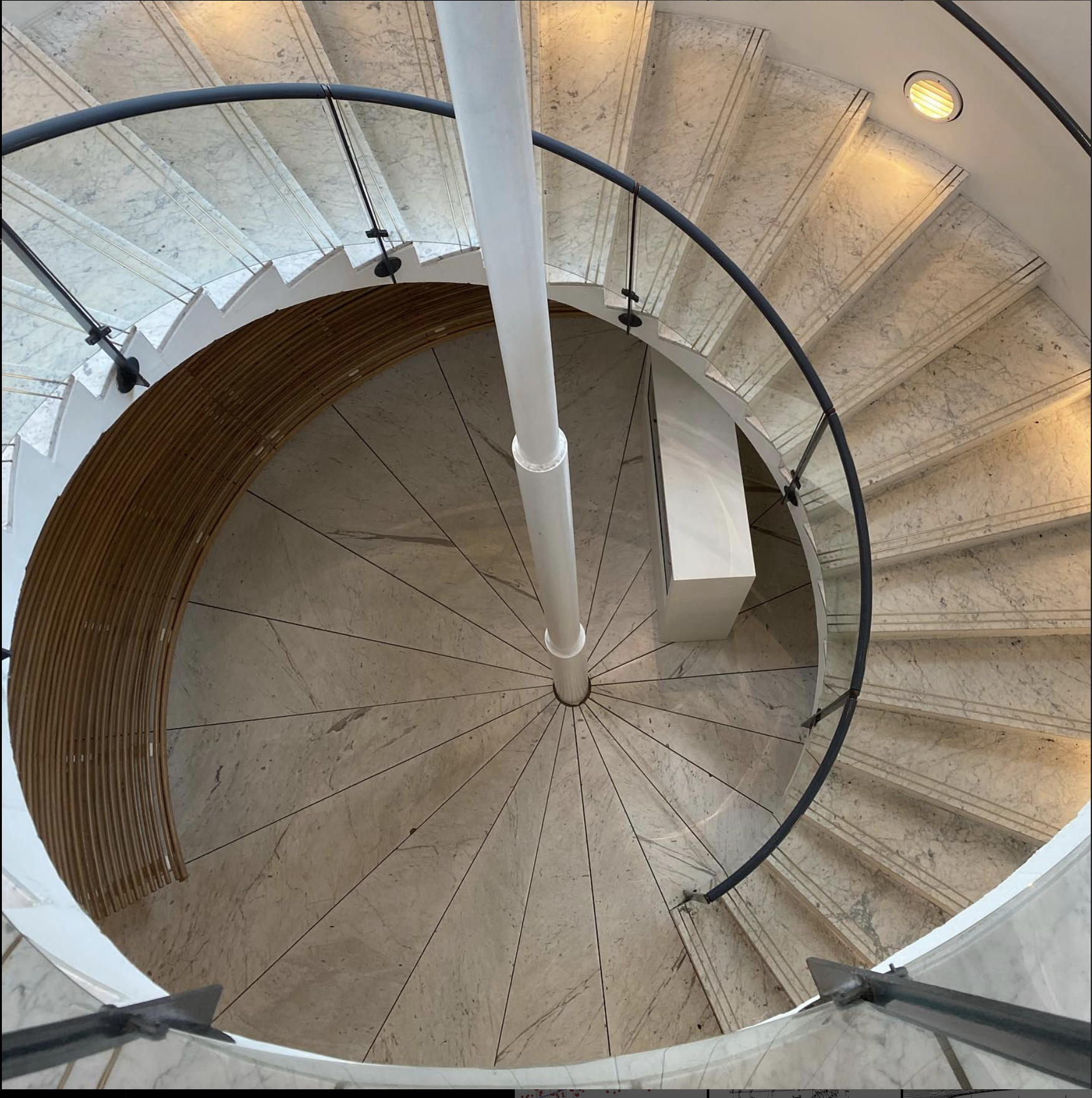
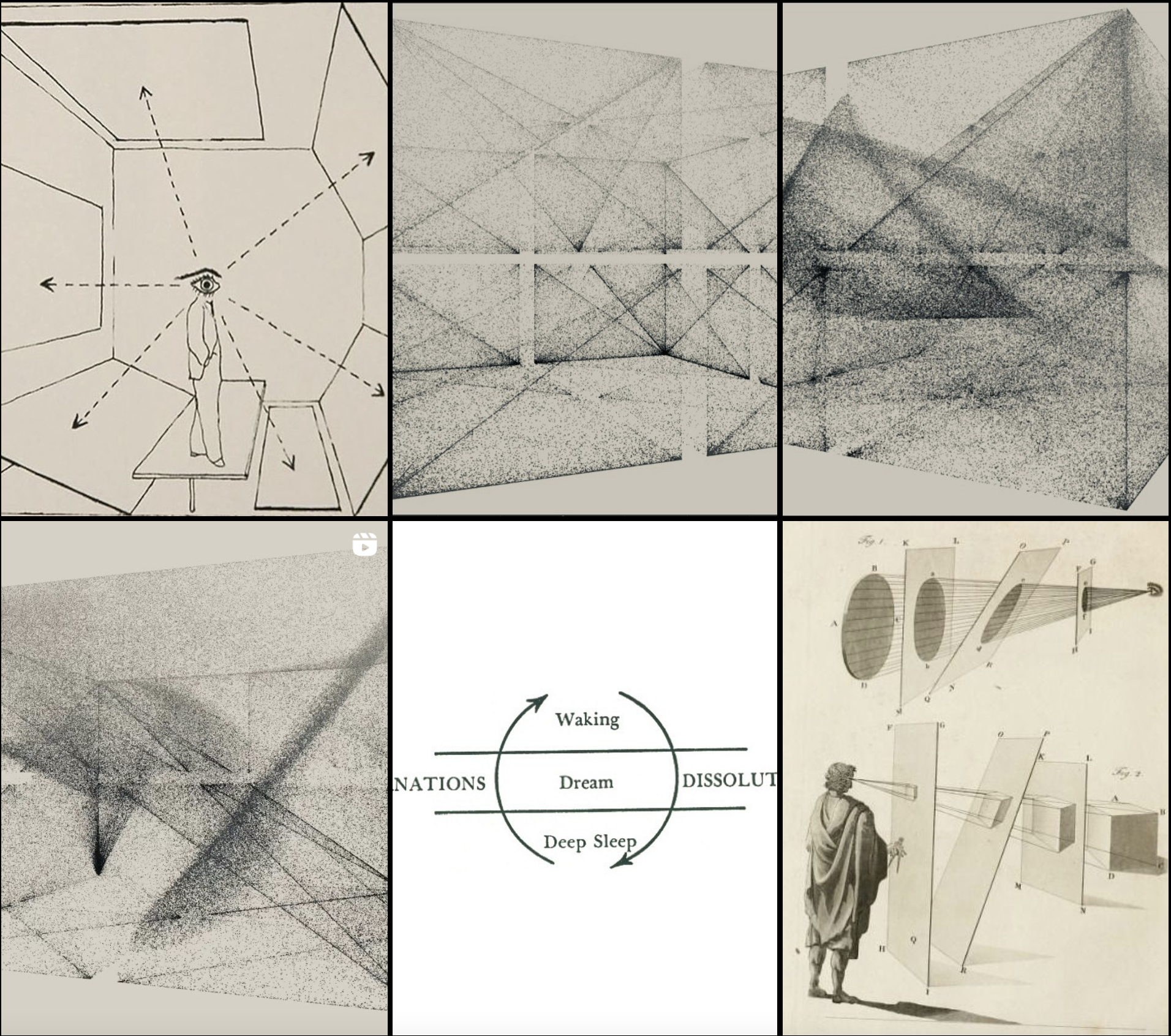
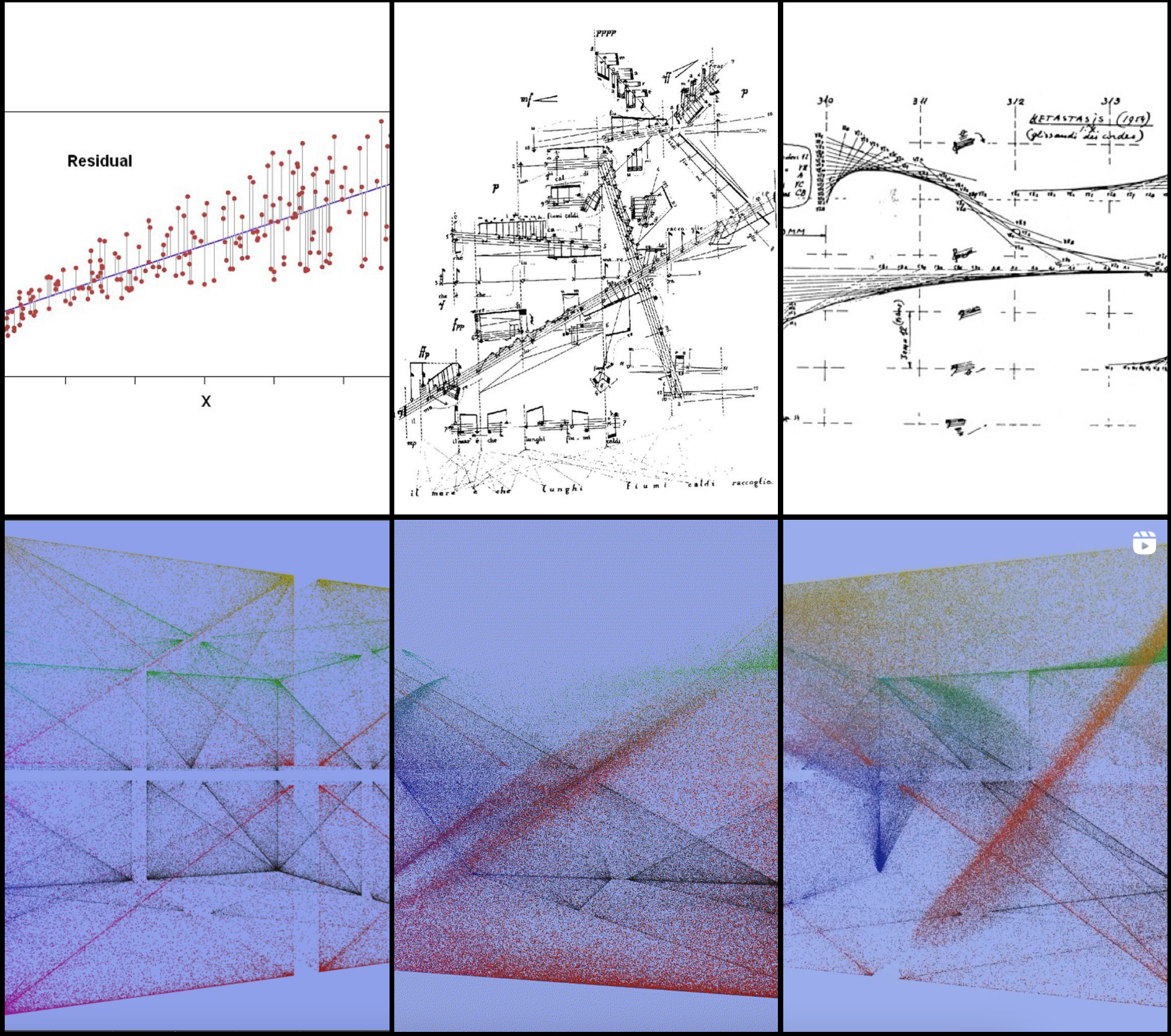
    Alongside some of my visual experiments, I keep a small curation page of rotating set of images I’ve posted on and off for the past two years. It mixes my own code-based and architectural forms with Deleuzian diagrams, historical models, and other references. The selections are a way of thinking through patterns across mediums, showing how a sketch, a diagram, or a fragment of code can embody form and perception.

    I also explore prompting and creating with AI tools which is a process of curation, not creation from scratch. I look for an output that evokes a feeling I can empathize with, sensing the moment it shifts from randomness of diffusion models to something with a presence.

    resid4 resid2
    External Links

    LinkedIn

    Substack

    Instagram

    Certain projects, including source code, are under NDA from previous employers and therefore not available on public repositories.